

The five best compostable phone cases for 2026 include the Pela Phone Case for iPhone 12/12 Pro (Limited) with lightweight, shock-absorbing protection and a $500 screen-repair coverage option; the Eco Phone Case for iPhone 12/12 Pro, made from plant fibers with raised edges for camera and screen protection; Eco by GranolaGear for iPhone 13 Pro, compostable and plastic-free; the Biodegradable iPhone 16 Case in Crimson, plant-based and wireless charging friendly; plus the Pela iPhone 12/12 Pro Case – Limited Edition. If you want solid specs and end-of-life details, you’ll find more soon.
| Pela Phone Case for iPhone 12/12 Pro (Limited) |  | Best Overall Compostable Case | Material Type: Plant-based (flax shive) | Compatibility: iPhone 12 / 12 Pro | Protection Type: Shock-absorbing protection | VIEW LATEST PRICE | Read Our Analysis |
| Eco Phone Case for iPhone 12/12 Pro – Plant Fiber Yellow | 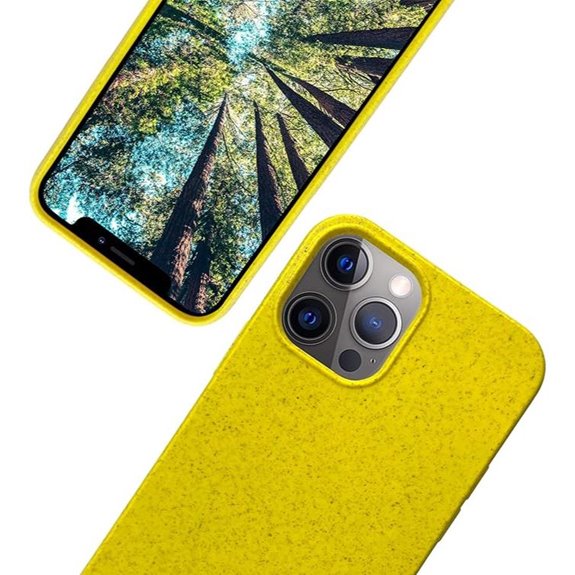 | Eco-Friendly Durability | Material Type: Plant fiber (wheat straw) | Compatibility: iPhone 12 / 12 Pro | Protection Type: Shock-absorbing with raised edges | VIEW LATEST PRICE | Read Our Analysis |
| Eco by GranolaGear: Plant-Based iPhone 13 Pro Case |  | Premium Plant-Based | Material Type: Plant-based | Compatibility: iPhone 13 Pro | Protection Type: Biodegradable/plant-based protection | VIEW LATEST PRICE | Read Our Analysis |
| Pela Phone Case for iPhone 12/12 Pro (Limited) | | Limited Edition Sustainability | Material Type: Plant-based (flax shive) | Compatibility: iPhone 12 / 12 Pro | Protection Type: Shock-absorbing protection | VIEW LATEST PRICE | Read Our Analysis |
| Biodegradable iPhone 16 Case — Eco Plant-Based Crimson | 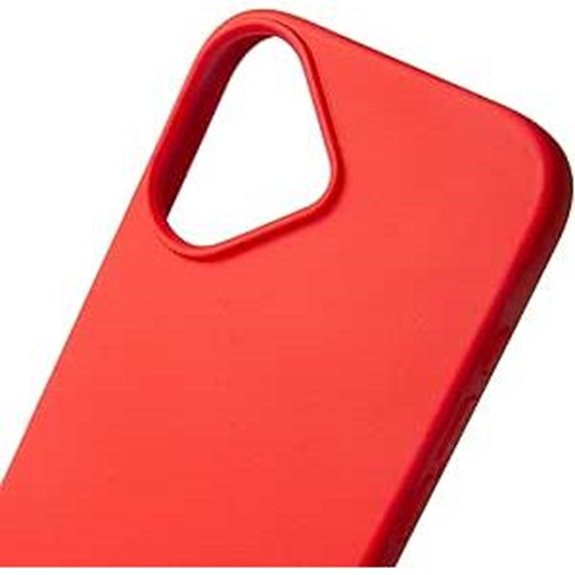 | Biodegradable Protection | Material Type: Plant-based biodegradable | Compatibility: iPhone 16 | Protection Type: Shockproof protection | VIEW LATEST PRICE | Read Our Analysis |
More Details on Our Top Picks
Pela Phone Case for iPhone 12/12 Pro (Limited)
The Pela Phone Case for iPhone 12/12 Pro (Limited) is the best choice for shoppers seeking a compostable, eco-friendly option that doesn’t sacrifice protection. You’ll get a lightweight, slim case that supports wireless charging and fits iPhone 12 or 12 Pro, plus a limited edition “Silly Goose” color. It’s crafted from plant-based flax shive, breaks down naturally, and is ethically made in Canada. The case offers tough, shock-absorbing protection with precise cutouts, and it pairs with a liquid screen protector for $500 screen-repair coverage. Specs: 10 x 7 x 1 inches, 4.8 oz, strong warranty.
- Material Type:Plant-based (flax shive)
- Compatibility:iPhone 12 / 12 Pro
- Protection Type:Shock-absorbing protection
- Wireless Charging Support:Yes
- Packaging/End-of-Life:Eco-friendly, natural materials; end-of-life biodegradable
- Warranty/Customer Support:Manufacturer’s warranty via customer service
- Additional Feature:Waterproof protection guarantee
- Additional Feature:Canada-made sustainability
- Additional Feature:Lightning-fast wireless charging
Eco Phone Case for iPhone 12/12 Pro – Plant Fiber Yellow
Eco Phone Case for iPhone 12/12 Pro – Plant Fiber Yellow stands out for users who want a sustainable, protective option. This case is made from wheat straw and soft TPU, offering a natural, rustic look. It provides raised edges: 0.5 mm around the camera and 1.0 mm at the front to protect your screen and camera. It resists fingerprints, scratches, and stains with a slightly matted texture. It’s designed to be durable and shock-absorbing, with a 12-month warranty from eplanita. If you’re not satisfied, contact support for resolution and options. Prices vary by color and retailer.
- Material Type:Plant fiber (wheat straw)
- Compatibility:iPhone 12 / 12 Pro
- Protection Type:Shock-absorbing with raised edges
- Wireless Charging Support:Yes
- Packaging/End-of-Life:Environmentally friendly materials
- Warranty/Customer Support:12-month warranty
- Additional Feature:Wheat straw blend
- Additional Feature:Matte fingerprint resistance
- Additional Feature:0.5 mm raised camera edge
Eco by GranolaGear: Plant-Based iPhone 13 Pro Case
If you’re after a sustainable option for protecting an iPhone 13 Pro, this plant-based case is a strong pick because it’s compostable and plastic-free while still offering a slim, durable shell. Eco by GranolaGear is biodegradable, made from plant-based materials, and available in Pink Sands. It’s 100% plastic-free and meets EN 13432 and ASTM D6400 standards, with packaging that’s also plastic-free and recyclable. The case weighs about 1 ounce and measures 6 x 3 x 0.5 inches. Granola Gear backs its product with a money-back guarantee, and customer reviews are strong, around 4.6 stars.
- Material Type:Plant-based
- Compatibility:iPhone 13 Pro
- Protection Type:Biodegradable/plant-based protection
- Wireless Charging Support:Not specified (not explicitly stated)
- Packaging/End-of-Life:100% plastic-free packaging; compostable
- Warranty/Customer Support:Money-back guarantee; warranty details available
- Additional Feature:Biodegradable and compostable
- Additional Feature:Plastic-free packaging
- Additional Feature:EN 13432 / ASTM D6400 compliant
Pela Phone Case for iPhone 12/12 Pro (Limited)
Pela Phone Case for iPhone 12/12 Pro (Limited) stands out for eco-conscious users who want reliable protection without adding bulk. You get a case compatible with iPhone 12 and 12 Pro, with a Limited Edition color option “Silly Goose,” and it supports wireless charging. It’s lightweight and slim, yet tough, with shock-absorbing protection and precise cutouts for full functionality. It’s made from plant-based flax shive, eco-friendly and naturally breaking down at end of life, ethically made in Canada. It promises $500 protection for screen repairs when used with a liquid screen protector, and carries a customer-rated slim feel.
- Material Type:Plant-based (flax shive)
- Compatibility:iPhone 12 / 12 Pro
- Protection Type:Shock-absorbing protection
- Wireless Charging Support:Yes
- Packaging/End-of-Life:Eco-friendly, natural materials; end-of-life biodegradable
- Warranty/Customer Support:Manufacturer’s warranty via customer service
- Additional Feature:Limited edition Silly Goose
- Additional Feature:Ultra-soft slim feel
- Additional Feature:Eco-friendly flax shive material
Biodegradable iPhone 16 Case — Eco Plant-Based Crimson
Designed for eco-minded users who want a sturdy, plant-based option, this Biodegradable iPhone 16 Case — Eco Plant-Based, Crimson stands out with its 6.24 x 3.33 x 0.55 inch footprint and 7.1-ounce weight. You get a vegan, 100% biodegradable, compostable case made from natural plant-based materials, delivered in plastic-free, recycled packaging. It has a clean, minimal look, a non-slip matte texture, and thin, lightweight design that adds no bulk. It supports wireless charging, offers shock absorption for drops up to five feet, and provides precise cutouts. It protects the screen and camera with a 0.5mm raised frame.
- Material Type:Plant-based biodegradable
- Compatibility:iPhone 16
- Protection Type:Shockproof protection
- Wireless Charging Support:Yes
- Packaging/End-of-Life:Plastic-free, recycled packaging
- Warranty/Customer Support:Money-back guarantee; warranty details available
- Additional Feature:2 mm thick protection
- Additional Feature:0.5 mm raised frame
- Additional Feature:100% biodegradable packaging
Factors to Consider When Choosing Compostable Phone Cases
When you pick a compostable case, consider the material source and type, because plant-based polymers and compostable blends differ in feel and performance. Look for clear biodegradability standards and certifications, so you know how long it takes to break down in a home or industrial compost; check if the product provides a color or texture that matches your style. Balance durability and weight by noting listed drop protection, thickness in millimeters, and any trade-offs like a 0.8–1.0 mm edge grip, while confirming compatibility with wireless charging and port access. End-of-life disposal matters, so confirm whether the company supports curbside composting, home composting, or take-back programs, and compare price points around $15–$40 to fit your budget.
Material Source and Type
Compostable phone cases rely on plant-based materials like flax shive, wheat straw, or other organic fibers, and the exact mix affects both recyclability and how well they break down. You’ll find cases made from these fibers alongside biodegradable plastics that meet compostability standards like EN 13432 and ASTM D6400. Material source matters: ethically sourced plant fibers reduce environmental impact versus traditional plastics, and the lifecycle should end with no harmful residue. Check for vegan and compostable certifications to confirm safety. Look for cases labeled with clear fiber content and a breakdown guide, plus notes on sourcing practices from suppliers. Price varies by material, usually ranging from $15 to $45, with higher-end blends offering stronger protection or longer breakdown timelines.
Biodegradability Standards
Biodegradability standards set the baseline for what counts as a truly compostable phone case. You’ll want cases that meet EN 13432 and ASTM D6400, so they break down in industrial composting within a set time. EN 13432 means the product disintegrates into small pieces within about 12 weeks and biodegrades to carbon dioxide, water, and biomass within six months in a composting environment. ASTM D6400 tests show the material decomposes at a rate similar to cellulose and leaves no harmful residues. Plant-based materials boost overall biodegradability, supporting environmental claims. Certification from independent groups adds trust, showing the product adheres to standards. Look for a labeled, credible certification and note any regional disposal guidance to avoid missteps. Prices vary, but protect your pocket and planet.
Durability vs. Lightweight
Lightweight compostable phone cases are easy to carry, but they can be less durable than traditional plastics, so you’ll want to weigh portability against protection. You’ll find lighter designs improve grip and pocketability, yet may trade some shock absorption for everyday use. A lightweight case can still meet basic drop protection if it uses sturdy plant-based materials and thoughtful design. Look for raised edges around the screen and camera to add safeguards without adding bulk. Material choice matters: plant-based blends tend to feel softer but keep some resilience, while thicker builds boost durability but add weight. Check specs: impact rating, edge protection, and exposed ports. Expect prices in the mid-range, around $20–$40, depending on brand and features. Prioritize your daily needs and protection level.
Compatibility With Tech
When choosing a compostable phone case, you should start by confirming it fits your exact device model, since a precise fit ensures access to all buttons, ports, and the camera. You’ll want a case designed for your model to guarantee proper fit and functionality. Check compatibility with wireless charging, because some cases can block or slow charging if not designed for it. Look at the case’s dimensions and weight to confirm it won’t add unnecessary bulk, which affects usability. Ensure precise cutouts for buttons, ports, and the camera so all functions stay accessible. Verify the case is engineered for shock absorption and drop protection to maintain your device’s integrity during everyday use.
End-of-Life Disposal
End-of-life disposal for compostable phone cases matters, because how you trash or recycle them directly affects waste reduction and the circular economy. You’ll find many compostable cases are designed to break down in industrial facilities, meeting standards like EN 13432 or ASTM D6400, which helps ensure faster decomposition. Some cases can be home composted, but you’ll need the right conditions—adequate heat and moisture—for effective breakdown. Check local regulations, because not all facilities accept compostables, and disposal options vary by area. Proper disposal supports a circular economy, returning materials to the ecosystem rather than adding pollution. If you want clearer guidance, look for labeled compostability certifications, facility acceptance lists, and any recommended composting timelines to plan your disposal method confidently.
Manufacturing Ethics
Manufacturing ethics matter when you choose a compostable phone case, because the impact isn’t limited to how the product breaks down after use. When you compare options, check if the manufacturing process uses sustainable practices and ethically sourced materials to cut environmental harm. Verify the manufacturer adheres to fair labor practices, ensuring workers are treated fairly and paid adequately. Look for certifications or standards that show ethical manufacturing, such as environmental compliance and sustainable sourcing. Assess the company’s transparency in its supply chain, which reflects commitment to ethical manufacturing and sustainability. Consider whether a portion of profits supports environmental causes, signaling broader ethical priorities beyond product creation. These factors help you choose cases that align with practical, responsible values.
Warranty and Support
Warranty and support matter when you pick compostable phone cases, because a strong guarantee and easy help can save you time and money if issues show up. Many manufacturers offer warranties from 12 months to money-back guarantees, giving you quality assurance. Check terms to see what’s covered, like defects in materials or workmanship, and whether it includes replacements. Customer support can greatly influence your experience, so look for brands with accessible help via phone, email, or chat. A warranty signals confidence in durability, which matters for compostable materials that may differ from traditional plastics. Review warranty claims and support feedback from others to gauge reliability, responsiveness, and overall satisfaction. Choose brands with clear coverage and prompt, helpful service.
Packaging and Waste Reduction
When you pick a compostable phone case, focus on packaging and waste reduction to lower your environmental impact. Choose products in plastic-free, recycled packaging to cut waste and support recycling programs. Look for cases that are 100% biodegradable, so they break down naturally at end of life and reduce landfill volume. Natural, sustainable materials help lower the carbon footprint during production and disposal. Some brands donate a portion of profits to environmental charities, which can amplify your impact on waste reduction. Also, pick cases designed to support recycling and composting initiatives, improving waste management and responsible disposal. These features collectively help you minimize packaging waste, encourage circular use, and protect the environment while keeping your device safe.
Frequently Asked Questions
Do Compostable Cases Protect Wireless Charging Efficiency?
Compostable cases can protect wireless charging efficiency when they’re designed with a slim profile and compatible materials. Look for cases that specify no interference with Qi charging, have precise cutouts, and keep a minimal adhesive layer. Many compostables use PLA or bio-plastic blends that work fine, but thicker or textured surfaces may slow charging slightly. Expect charging to stay within your device’s standard range, about 5–10 watts, with smooth, flat backs.
How Long Do Compostable Phone Cases Take to Decompose at Home?
Compostable phone cases can decompose at home in about six to twelve months under ideal conditions. You’ll want a home compost bin with steady heat around 100–140°F (38–60°C) and high humidity, plenty of browns and greens, and regular turning. Don’t assume speed; some materials take longer, especially if mixed with non-compostables. Remove dirt, rinse gently, then place in the compost pile. Results vary by climate, material blend, and bin management.
Are Compostable Cases Bpa-Free and Non-Toxic?
Yes, most compostable cases are BPA-free and non-toxic, but check the label to be sure. Look for certifications like BPI or OK compost HOME, plus a material list showing plant-based plastics or biopolymers. They usually feel similar to urban-plastic cases, with molded buttons and precise port openings. Expect prices around $14–$40, and note disposal: compostable only in industrial or home setups that meet the cert. standards. If unsure, contact the maker for details.
Can Compostable Cases Be Recycled With Regular Plastics?
No, you can’t recycle compostable cases with regular plastics. Most compostable cases are made from bioplastics, compostable polymers, or plant-based materials that need industrial composting, not curbside recycling. Check your local facility’s rules, because some may not accept them. Remove screws or hardware, and compostable sleeves should go to composting programs. If in doubt, reuse the case or choose a recyclable alternative with a clear label. Prices vary, usually $10–$25.
Do Compostable Cases Impact Signal Strength or Reception?
Compostable cases don’t usually hurt signal strength or reception. Most are plastic-based blends with vents or design features that won’t block antennas, so you’ll likely see the same bars as your usual case. If you use a metal ring or heavy kickstand, that can affect reception, so choose lighter designs. Look for certifications like ASTM D6868, and consider models with slim profiles, around 0.8–1.2 mm thick, priced $15–$40. Overall, practical choice matters more than material.
Wrapping It Up
If you’re choosing a compostable phone case, consider fit, material, and price first. Look for plant-based options like Pela and Eco by GranolaGear that offer solid protection and claimed compostability, with clear disposal guidance. Note sizes and compatibility for iPhone 12/12 Pro, 13 Pro, and 16, plus any Limited Edition claims. Compare prices and weight, for example, Pela cases around $30–$45 and Eco by GranolaGear near $25–$40. Prioritize durability, return policies, and local composting availability for practical results.


Leave a Reply